
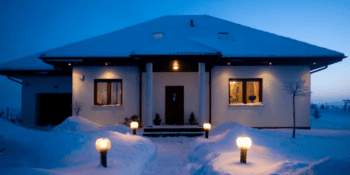
 During Long Island winters, most insects don’t simply die off—they seek shelter in soil, leaf litter, tree bark, or right inside climate-controlled homes to survive the freeze. While some species migrate south and others enter a dormant state called diapause, many common household pests remain surprisingly active once they find refuge inside heated walls, basements, and crawl spaces.
Key Takeaways:
- Most household pests do not die off in winter, but rather seek shelter inside residential homes to escape freezing outdoor temperatures.
- Ectothermic pests like ants, roaches, and spiders rely on external heat sources, remaining active indoors or entering a dormant state until warmer weather arrives.
- Certain cold-climate spider species survive extreme conditions by producing natural antifreeze compounds within their bodies.
- Endothermic rodents and small mammals actively invade homes during colder months to find warmth, often causing significant structural damage.
For many Long Islanders, winter is an exciting time. Getting cozy on the couch with your family watching holiday movies while the snow falls outside can be enough to push household insects to the back of your mind. It’s actually a common misconception that household pests like ants, roaches, and spiders simply “die off” in the winter, leaving Long Island homeowners in a blissful, insect-free world for a few months.
How Do Insects Survive Winter?
In the winter, many pests will actually seek shelter inside your home to escape the freezing outdoors. While cold temperatures slow down an ectotherm’s metabolic rate and activity levels, once these pests settle into well-heated living areas, wall voids, or basements, they can remain surprisingly active throughout the season.
The Lowdown on Overwintering
Overwintering is the process used by insects and other common Long Island pests in order to essentially “wait out” the winter season through methods such as diapause (a state of suspended development similar to hibernation) and migration.
Unlike mammals, who are classified as endothermic, meaning they can generate their own heat internally, insects are ectothermic, which means they rely on external environmental sources to regulate their body temperature. Because of this, it’s likely you’ll see an increase in pest activity during the winter as they seek warm hiding places. Meanwhile, for the insects that enter a dormant state during the winter, you’ll very likely see a burst of pest activity in your home once temperatures rise and these critters are back on the move.
Here’s a breakdown of what some of the most commonly spotted household pests in Long Island homes are up to during the winter months.
Need Pest Control?
Do Roaches Die in the Winter?
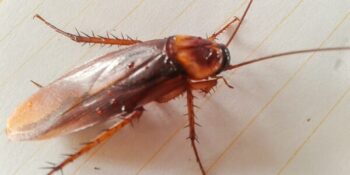 No, cockroaches do not die off in the winter—they simply move indoors to survive. Because roaches are ectothermic pests, they cannot regulate their own body temperature and actively seek warm, humid environments to maintain mobility.
Most wintertime cockroaches spotted in homes on Long Island are German cockroaches or Oriental cockroaches.
- Indoor Hiding Spots: Basements, crawl spaces, utility closets, and areas under appliances offer the exact heat and humidity roaches need.
- Winter Behavior: While inside warm structure voids, roaches continue to feed and forage, though their reproduction rate slows during colder months.
- Property Risks: They remain active vectors for bacteria and indoor allergens throughout the winter season.
Where Do Ants Go in the Winter?
Ants do not die off when cold weather hits; instead, they seek shelter in insulated environments to survive. As ectothermic arthropods, ants enter residential structures from Ronkonkoma to Riverhead in search of food, moisture, and consistent heat.
The most common ants spotted in Nassau and Suffolk Counties homes include odorous house ants, pavement ants, and carpenter ants.
- Common Winter Harborages: Ants nest inside wall cavities, under floorboards, or near interior heat sources where homeowners rarely see them.
- Pheromone Trails: Foraging worker ants locate food inside your kitchen or pantry and lay chemical trails, guiding the rest of the colony directly to the source.
- Spring Emergence: Once ambient temperatures rise, dormant or hidden colonies rapidly increase activity and reemerge in search of additional food.
Where Do Spiders Go in the Winter?
 Spiders are ectothermic arachnids—not insects—that rely on external warmth to remain active, leading many species to take up residence indoors during winter. Other outdoor species utilize chemical adaptations to survive freezing conditions outside.
When you spot a spider in your home on Long Island in the wintertime, it’s most likely a common house spider, cellar spider, or a wolf spider.
- Indoor Shelters: Common spiders nest in undisturbed areas such as chimneys, attics, crawl spaces, basements, and closets.
- Egg Sac Insulation: Outdoor species often construct protected, insulated egg sacs or web pods within roofing, siding, or tree bark to shelter offspring.
- Natural Antifreeze: Cold-hardy spider species produce cryoprotectants in their hemolymph (their body fluid), preventing ice crystals from forming in their bodies during freezing weather.
Rats and Mice in Winter
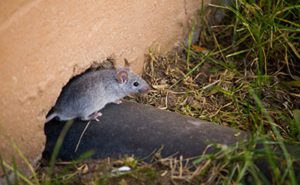
Rodents actively invade residential homes during the winter months in search of warmth, food, and nesting materials. Unlike ectothermic pests, rodents are endothermic mammals that generate their own heat, but they seek indoor shelter to avoid harsh winter weather.
House mice and Norway rats are the most common rodents found in New York houses during the winter months.
- Entry Points: Mice and rats can squeeze through tiny foundation gaps, unsealed vents, or openings around utility lines to gain entry.
- Structural Damage: Once inside, rodents continuously gnaw on drywall, wood, and electrical wiring to keep their teeth worn down, creating serious fire and property hazards.
- Health Risks: Rodent infestations contaminate living spaces, pantries, and insulation through urine, feces, and shedding parasites.
The Monarch Butterfly Migration
Unlike less favorable insects, the monarch butterfly is a beautiful insect with interesting winter behavior. Unlike other insects that overwinter locally, monarch butterflies are unable to survive the cold winter temps on Long Island. Monarchs use environmental cues to determine when it’s time to travel south (as many as 3,000 miles!) to reach their warm wintering sites in Mexico.
Unlike beneficial pollinators like monarchs that migrate south without disturbing your property, invasive household pests take up residence directly inside your living spaces—and that is where active intervention becomes necessary.
Can You Prevent Wintertime Pests on Long Island?
 Yes, proactive home maintenance before and during the winter months can significantly reduce the risk of an indoor infestation. Taking a few tactical prevention steps helps eliminate entry points and deprives overwintering pests of the moisture and food sources they need to survive.
- Seal Foundation Gaps & Exterior Walls: Inspect your home’s perimeter and use silicone-based caulk or expanding foam to seal cracks, gaps around utility lines, and openings near foundation walls. You may also want to consider calling a professional exclusion expert to help.
- Upgrade Door Seals & Weatherstripping: Replace worn weatherstripping around doors and windows, and install heavy-duty door sweeps to block tiny entry points used by insects and rodents.
- Control Indoor & Crawl Space Moisture: Fix leaking pipes, place dehumidifiers in basements or crawl spaces, and ensure proper drainage around your home to eliminate standing water.
- Store Food in Airtight Containers: Keep pantries clean by storing dry goods, pet food, and pantry items in sealed glass or hard plastic containers, and routinely clear food crumbs from kitchen counters.
- Trim Exterior Vegetation & Firewood: Keep tree branches and shrubs trimmed away from your roof and siding, and store firewood stacked on raised racks at least 20 feet away from your home’s foundation.
Why You Need Winter Pest Control
Winter pest management isn’t about chasing insects in the cold—it’s about defending the warm, sheltered spaces they target most. While pests might keep a low profile behind your walls or beneath your floorboards during the colder months, quietly ignoring them gives small overwintering populations time to establish mature colonies by spring. Our seasonal pest exterminators take an active approach that stops infestations before they take root inside your home.
Whether you’ve spotted early signs of activity or simply want expert eyes on your home’s vulnerable entry points, don’t leave your indoor peace of mind to chance. Reach out to our team at Suburban Exterminating today with your questions or to schedule a comprehensive home inspection.
Back to Seasonal Pest Control Services


