

Key Takeaways:
- Fall brings various household pests into Long Island homes, ranging from mild nuisances to significant health and property hazards.
- Stink bugs and boxelder bugs are physically harmless but cause psychological discomfort due to their foul odors and tendency to gather in large numbers on exterior walls.
- House centipedes trigger fear due to their fast movement and unsettling appearance, though they are actually beneficial predators that hunt other indoor pests.
- Local spider encounters rarely involve dangerous species, but their bites can still be painful and their presence often causes anxiety.
- Cockroaches pose a genuine health risk by tracking bacteria and pathogens from unsanitary environments onto kitchen surfaces and food.
- Rodents are ranked as the scariest fall pest because they spread dangerous diseases and cause structural damage by gnawing on walls, insulation, and electrical wires.
Should You Be Afraid of Fall Pests?
This time of year, we welcome the “spooky” in many forms—haunted houses, classic horror movies, and terrifying campfire tales. One constant that remains, however, is that household pests like spiders and roaches aren’t the fun kind of spooky.
To help you prevent any unwanted jump scares this season, let’s take a look at the scariest fall pests invading Long Island homes, ranked from mildly unsettling to downright terrifying.
Let’s jump in and explore why each of these pests is frightening and how to stop them.
Need Help From a Scary Pest Exterminator?
#5) Stink Bugs & Boxelder Bugs
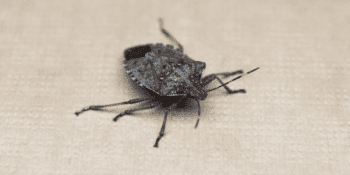 Let’s start with the least scary of the common fall pests—stink bugs and boxelders. These two invaders look alike, behave similarly, and are easily mistaken for one another by Long Island homeowners. The easiest way to tell them apart is by their coloring and shape:
- Boxelder Bugs: Oblong, shaped a bit like a sunflower seed, sporting distinct red and black coloring.
- Brown Marmorated Stink Bugs: Primarily brown, mottled, and distinctly shield-shaped.
Why Are Stink Bugs and Boxelder Bugs Scary in Your House?
These insects are physically harmless to humans, but they bring two distinct psychological scares:
- The Smell: Stink bugs get their name from the unpleasant, pungent odor they release when crushed or threatened. Boxelder bugs can release a similar, less intense odor.
- The Horde Mentality: Boxelders love to congregate by the hundreds on warm, sunny exterior walls. Walking up to a writhing carpet of red and black bugs on your siding can be incredibly unnerving.
#4) House Centipedes
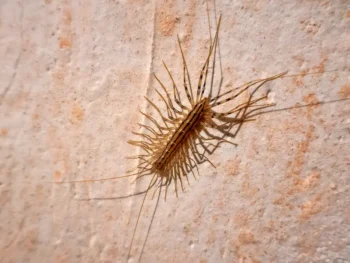 The house centipede (Scutigera coleoptrata) is a specialized hunter that has adapted perfectly to thriving indoors. They are highly skilled predators that actually help keep your home clear of other invaders like ants, flies, and clothes moths.
Why Are They Scary?
House centipedes trigger an immediate evolutionary “jump scare” due to their fearsome appearance. They possess up to 15 pairs of long, thread-like legs and can clock speeds of over 1 foot per second. Seeing one dart across a dark bathroom floor when you turn on the light is enough to terrify anyone.
Despite their creepy appearance, they are beneficial due to their ability to eliminate hazardous pests. However, don’t try to handle one—if mishandled, larger adults can deliver a painful bite similar to a bee sting.
#3) Spiders
Spiders are synonymous with the Halloween season, but on Long Island, the fear usually outweighs the actual danger. While the Northern Black Widow is native to New York, it is incredibly rare to find inside a home. Other infamous spiders, like the Brown Recluse, are not native to our area at all.
Still, we don’t recommend trying to pick up any spiders. Even though the bites might not be medically significant, they can still be quite painful.
You’ll typically spot our local spiders in moist environments, basements, crawl spaces, closets, or where walls meet ceilings.
Why Are Spiders in Your House Scary?
Have you ever heard of arachnophobia? It’s one of the most common fears around – so common, in fact, that they made a movie about it in 1990! Spiders are synonymous with spooky season.
A common Halloween theme, spider webs are a clear indicator that you have spiders! You may also see visible spiders in moist environments, closets, storage boxes, junctions of walls and ceilings, or near other insects they can feed on.
Most Common Spiders in Long Island Homes – Should You Worry?
| Species | Common Locations | Habits | Risks/Impact |
|---|---|---|---|
| Cellar Spiders (also sometimes called Daddy Long Legs) | Shady, humid areas (basements, crawl spaces) | Harmless; have fangs but bites are rare and venom is weak | No real threat to humans or pets |
| Sac Spiders | Baseboards, ceilings, windows, door frames, furniture | Excellent hiders; difficult to sweep or vacuum away | Bite produces an immediate stinging sensation (like a hornet’s), redness, and swelling |
| Wolf Spiders | Basements, sheds, or garages | Large, intimidating; active hunters (do not build webs) | Bites are rarely serious but occur if territory is entered |
How to Prevent Spiders
To prevent spiders from entering your home, it’s always best to keep your shrubs trimmed away from your house, seal any cracks and crevices, install screens over your vents and crawl space, and avoid bright outdoor lights.
#2) Cockroaches
Roaches are a year-round nightmare for homeowners from Nassau to Suffolk County. They are creepy, incredibly fast, and have an unsettling habit of popping up exactly when you least expect them.
Why Are They Scary?
Beyond the aesthetic “gross-out” factor, cockroaches are genuinely frightening because of their ability to spread pathogens. Roaches spend their lives navigating unsanitary environments—from sewers to garbage dumpsters. When they emerge at night to forage in your kitchen, they transfer bacteria, feces, and mechanical pathogens onto your countertops and food preparation surfaces.
Why Are Cockroaches in Your Home Scary?
Beyond the aesthetic “gross-out” factor, cockroaches are genuinely frightening because of their ability to spread pathogens. Roaches spend their lives navigating unsanitary environments—from sewers to garbage dumpsters. When they emerge at night to forage in your kitchen, they transfer bacteria, feces, and mechanical pathogens onto your countertops and food preparation surfaces.
The larger the cockroach infestation, the bigger the risk of people getting sick. Now that really is scary!
| Species | Common Locations | Diet/Habits | Risks/Impact |
|---|---|---|---|
| German Roaches | Warm, dark environments (basements, kitchens, sinks) | Breadcrumbs, toothpaste, glue, and general food | Carriers of salmonella, E. coli, pinworms; spreads pathogens; triggers asthma |
| American Roaches | Food processing areas, sewers, basements, first floor | Omnivorous; prefers decaying organic matter, sweets, and starchy items. Highly attracted to beer and fermenting foods. | Unsanitary; poses health risks |
| Oriental Roaches | Moist areas (drains, pipes, basements, washing machines) | Starchy or organic matter | Contaminates food; spreads disease; damages electronics |
Signs of Roaches
The tell-tale signs you may be dealing with a cockroach infestation include:
- Droppings
- Egg casings
- Musky odor
- Shed skins
- Smear marks
- Visible roaches
How to Prevent Roaches
As with any pest, sealing up cracks or crevices around your home is paramount in keeping roaches out. You should also store food in tightly sealed containers or in the refrigerator, and maintain good housekeeping practices like washing your dishes and cleaning up spills.
#1) Rodents
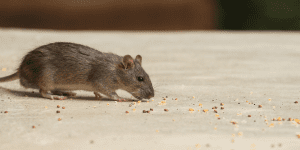 As the autumn air cools across Long Island, mice and rats begin looking for a cozy place to overwinter. Your home’s wall voids, attic, basement, and the warm spaces behind major appliances look like the perfect winter resort to a rodent.
Mice are incredibly resourceful—an average mouse can squeeze through a gap the size of a dime, making fall pest-proofing an absolute necessity.
Why Are Rodents the #1 Scariest Fall Pest?
Rodents take the top spot because they cause real, measurable danger to your health and property:
- Property Destruction: Rodents must constantly gnaw to keep their open-rooted teeth from overgrowing. They will chew through insulation, drywall, and worst of all, live electrical wiring—creating a hidden, significant fire hazard inside your walls.
- Disease Transmission: Rodents contaminate homes via their droppings, urine, and nesting materials, spreading dangerous illnesses like Hantavirus, Leptospirosis, and Salmonella.
- The “Silent Invader” Factor: Because they are nocturnal and live inside walls, a massive colony can establish itself before you ever see a single mouse. Realizing you’ve been sharing your home with a hidden infestation is a deeply unsettling experience.
Signs of Rodents
There are some key indicators when mice show up, the most obvious being small, dark droppings near food packages (which they may gnaw on), in your cabinets or drawers, under sinks, and in hard-to-reach areas.
You may even notice a foul, stale odor; if your pet is sniffing out a certain area all of the sudden, give it a look, because even they notice.
How to Prevent Rodents
- Suburban Exterminating’s home pest control services—rodents are covered!
- Seal openings around your home like cracks and crevices in the foundation and gaps around windows and doors.
- Place a tight-fitting cap on all chimneys and ensure vent covers are secure, and all loose or missing roof shingles are repaired.
- Keep tight-fitting lids on outdoor trash cans.
- Trim back trees and bushes from the outside of your home.
- Keep food inside stored in sealed containers or in the refrigerator.
- Clean up spills quickly, remove the trash, and wash your dishes in a timely manner.

Call Your Local Long Island Exterminator to Deal with Scary Pests!
At Suburban Exterminating, we offer one-time services and PestFree365+, our year-round pest control plan, to protect your home year-round. Not only does year-round pest control provide you with 24/7 peace of mind, but it also eliminates the unnecessary scares a sudden pest infestation in your home can cause. With a regular preventative pest control plan in place, you can rest assured your home is safe from mice, spiders, and roaches year-round.
Need help from an experienced seasonal pest control expert? We’re standing by, so reach out to us today.
Back to Seasonal Pest Control Services


