Leave your information below and we'll be in touch soon!
"*" indicates required fields
Most Common Cockroaches on Long Island
Serving Suffolk County | Nassau County | Long Island
Key Takeaways:
Different cockroach species on Long Island target completely different environments, ranging from damp basements and commercial kitchens to dry attics and outdoor wooded areas.
While cleaner homes are less susceptible, cockroaches are highly opportunistic pests that can easily infest well-maintained properties by hitchhiking inside or exploiting tiny physical gaps.
Several local species pose significant health risks to humans by spreading harmful pathogens, contaminating food sources, and triggering severe asthma attacks.
Certain species are considered temporary outdoor nuisances that do not readily breed indoors, while others will actively establish permanent, destructive indoor colonies if left unchecked.
What Are the Most Commonly Seen Cockroach Species on Long Island?
Creepy as they may be, cockroaches are a reality for many Long Island homeowners. Understanding their behavior, risks, and how to identify these pests is key to protecting your home and family.
On Long Island, we typically deal with a few key types of cockroaches, and even if your house is clean, it’s possible you’ll still see these pests pop up. Extremely opportunistic, cockroaches will find a way to thrive under a variety of conditions. Here are some facts about each of the common types of roaches we see on Long Island, and what sort of environment they’re most often found in:
German Roaches
German roaches are one of the most common species of cockroach found living not only in the Long Island area, but throughout the entire United States. They are highly opportunistic invaders that frequently hitchhike into homes via everyday items and are known for nesting in warm, indoor environments near food sources.
Appearance: Around 1/2 to 5/8 of an inch in length, tan to light brown in shade, with unique lines running from behind their head to their wings.
Flight: They have wings but are not actually able to fly.
Entry Points: They often enter through small cracks and crevices while foraging, but commonly make their way inside via packages, bags, or luggage.
Indoor Habitats: Typically found hanging out in warm, dark environments like basements, kitchens, crawl spaces, and underneath sinks.
Diet: They’ll eat nearly anything, from breadcrumbs to toothpaste and glue.
Appliance Risk: Super attracted to heat, they are notorious for crowding around electronics and can easily damage household gadgets like microwaves or game consoles.
Health Risks: Known carriers of salmonella, E. coli, and pinworms. They spread pathogens, urine, and feces throughout the home, which can build up and trigger asthma attacks, especially in children.
American Cockroaches
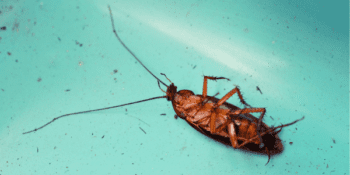
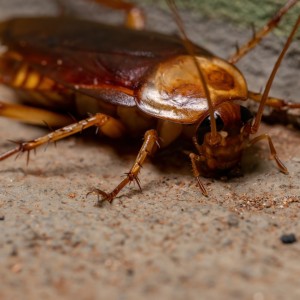
American cockroaches are one of the larger species of cockroaches seen in Long Island homes. While they are less common inside residential living spaces compared to other species, they are a frequent sight in commercial food environments and damp, subterranean areas.
Appearance: Large bodies growing from 1.5 to 2 inches in length, dark reddish-brown in color, with a unique, yellow figure-eight marking on the back of the head.
Flight: Much to the horror of many Long Islanders, they have wings and can fly.
Common Locations: Commonly found inside places that store and process food, such as bakeries, restaurants, hospitals, and grocery stores.
Indoor Habitats: They gravitate toward sewers, basements, crawl spaces, and other warm, moist environments. In homes, they are usually found on the first floor.
Property Damage: They will not cause structural damage to your home.
Health Risks: They are highly unsanitary and pose direct health risks to humans.
Oriental Roaches
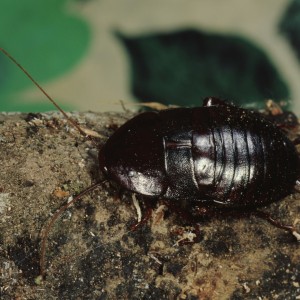
Oriental roaches are another common type of cockroach we see on Long Island. Frequently referred to by locals as “water bugs,” these glossy pests love dark, moisture-rich environments and will move indoors whenever the outdoor weather becomes too dry or extreme.
Appearance: Around an inch in length with a shiny, black color. Females have wider bodies and shorter wings, while males have narrower bodies and longer wings.
Flight: Much to the relief of many Long Islanders, they have wings but do not fly.
The “Water Bug” Connection: They are the original water bugs because they are frequently found crawling out of pipes and drains.
Outdoor Habitats: They love living in moist areas like sewers, in and under leaves, and underneath rocks and firewood.
Indoor Habitats: If it gets too hot or dry outside, they move indoors under doors, through floor drains, and via utility pipes, choosing to chill in basements, crawl spaces, and near washing machines.
Diet: They prefer to snack on starchy or organic matter.
Health Risks: They can easily contaminate your food and spread disease throughout your living spaces.
Leave your information below and we’ll be in touch soon!
"*" indicates required fields
Brown-Banded Roaches
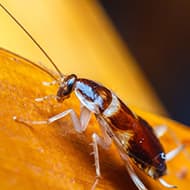
If you guessed brown-banded roaches have brown bands, just as their name suggests, you’re right! Unlike most other local cockroach species that seek out dampness, these smaller roaches actively prefer warm, dry spaces and will spread out all across a home.
Appearance: One of the smaller species seen on L.I., growing up to 1/2 of an inch in length with distinct brown bands.
Flight: Males have fully developed wings extending past the abdomen and are capable of flight; females have short, underdeveloped wings and cannot fly.
Indoor Habitats: They prefer warm, dry areas, meaning you’ll likely find them in attics, on ceilings, inside furniture, in kitchen and bathroom cabinets, and near the warm motors of appliances like refrigerators or TVs.
Diet: They possess a hungry appetite for unconventional snacks like wallpaper, stamps, book bindings, draperies, and nylon stockings, alongside standard kitchen pantry foods.
Nuisance Level: Aside from being creepy and crawly, they will contaminate food and cause damage to personal household items.
Long Island Wood Roaches
Commonly known as the Pennsylvania wood cockroach, the “wood roach” is a frequent outdoor resident across Long Island. They are nature-loving insects that thrive in wooded environments and are considered accidental invaders rather than typical household pests.
Appearance: Adults grow to be about an inch long and are a dark chestnut brown with distinct, light-colored borders along their bodies.
Flight: The males have fully developed wings and fly quite well.
Outdoor Habitats: They love hanging out under rotting logs, loose tree bark, mulch, and inside clogged roof gutters.
Indoor Entry: They are usually brought inside inadvertently on firewood during colder months, or fly inside during late spring when males are drawn to outdoor porch lights and slip through door gaps.
Indoor Behavior: They do not like dry indoor air, do not reproduce inside, and will not destroy your property.
Nuisance Level: While harmless to your home structure, a swarm of flying wood roaches attracted to your lights in June can still be a major nuisance.
9 Quick Tips on How to Prevent Roaches
Put leftover food away in your fridge or in containers with secure lids.
Put pet food and water bowls away at night.
Wash your dishes as soon as possible.
Wipe up spills immediately.
Vacuum floors and all cracks and crevices to get rid of crumbs.
Take garbage out regularly.
Repair leaky water pipes or faucets.
Give your trash cans a thorough cleaning.
Eliminate clutter like cardboard boxes, newspapers, and bags (and check firewood before bringing it inside!).
For more information on how cockroach prevention works, be sure to check out our article >> Why Do I Have Roaches?
How to Get Rid of Cockroaches in Your Long Island Home
To get rid of roaches, contact an exterminator like Suburban Exterminating. The health risks simply aren’t worth it. Treatment plans can vary depending on the type of roaches you have, but Suburban’s experienced cockroach control professionals will do a thorough evaluation and help you choose a comprehensive treatment plan that works for your home and budget.


 American cockroaches
 Oriental roaches
 If you guessed