Skip to content

Rodents on Long Island

Serving Suffolk County | Nassau County | Long Island

Key Takeaways:

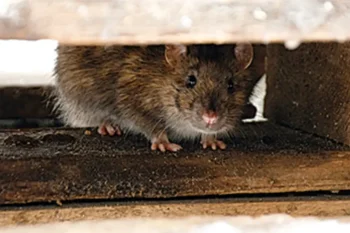
  • Rodent hiding between wooden blocksLong Island rodents vary significantly by habitat and behavior, ranging from ground-dwelling burrowers like Norway rats to agile, high-climbing roof rats.

  • Rodents pose severe property risks by continuously gnawing on structural materials and live electrical wiring, creating major fire hazards.
  • Infestations present public health dangers through the transmission of diseases, airborne pathogens, and parasites like deer ticks.
  • Effective property protection requires proactive sanitation, proper waste management, and the elimination of outdoor food sources and nesting grounds. Long-term pest management relies on structural exclusion and sealing entry points rather than just trapping existing populations.

What Type of Rodent Is It?

If you suspect a rodent problem on your property, identifying the exact intruder is the first step toward getting them out. In pest control, one-size-fits-all approaches often fail because different species require completely different techniques.

Use this practical Guide to Rodents on Long Islandย to identify the specific mouse or rat invading your property so we can help you build the right plan to eliminate them.

Norway Rats (Also Known as Brown Rats or Sewer Rats)

norway rat getting ready to make a leap into the unknown on long island somewhere

Norway ratsย are heavy, ground-dwelling pests that focus their activity on the lower levels of Long Island homes.

  • How to Identify Them:ย They are large, stocky rodents (7 to 18 ounces) with blunt snouts, small ears, and coarse brown or gray fur. Their tail is always shorter than their head and body combined.
  • Warning Signs on Your Property:ย Look for long, capsule-shaped droppings (the size of an olive pit). They may be found down low in your basement, crawlspace, or near outdoor trash bins. You may also find dirt mounds or entry holes tunneled under your concrete slabs, walkway blocks, or foundation walls.
  • How They Get Inside:ย Because they are poor climbers but excellent diggers, they target ground-level vulnerabilities. They can chew through structural wood and squeeze through foundation cracks or utility gaps the size of a quarter.
  • Risk Factors:ย Beyond contamination, Norway rats cause serious structural damage by burrowing under foundations and chewing through lower-level floor voids and plumbing lines.

Roof Rats (Also Known as Black Rats or Ship Rats)

Roof Rat with tail longer than its body hunched down on white backgroundRoof ratsย are highly agile, tree-climbing rodents that enter properties from above and target upper levels.

  • How to Identify Them:ย With pointed snouts, large hairless ears, and dark gray or black fur, they are more slender (5 to 9 ounces) than Norway rats. Their hairless tail is longer than the length of their head and body combined.
  • Warning Signs on Your Property:ย You will hear scratching or running noises coming from your ceilings or attic spaces, typically after dark. Their droppings are large and capsule-shaped, found scattered along attic insulation or ceiling rafters.
  • How They Get Inside:ย Roof rats use overhanging tree branches and power lines as an aerial highway to reach your roof. They enter your home through loose soffits, eave gaps, or roof vents, squeezing through openings as small as a nickel.
  • Risk Factors:ย Roof rats build nests out of torn insulation and cardboard high in your rafters. They present a severe fire hazard because they constantly gnaw on live electrical wiring hidden in attic spaces.

House Mice

house mouse spotted in attic as long island before rodent control from suburban exterminatingThe commonย house mouseย is an indoor pest that prefers to live in close proximity to human food sources year-round.

  • How to Identify Them:ย They are small and slender (under an ounce) with a uniformly dusty-gray or light brown coat. Their large ears and long, semi-hairless tail match the color of their body.
  • Warning Signs on Your Property:ย You will find small, pointed droppings (the size of a grain of rice) inside your kitchen cabinets, pantries, and silverware drawers. You may also notice chewed corner holes on food packaging or cardboard boxes.
  • How They Get Inside:ย House mice are bold, highly curious, and can manipulate their small bodies to squeeze through exterior micro-gaps, weeping holes, and under doors through openings the size of a dime.
  • Risk Factors:ย Because they breed rapidly and travel directly across kitchen counters, food prep areas, and pantries, a house mouse population will quickly contaminate your living spaces with bacteria likeย Salmonella.

Deer Mice

Deer miceย are wild outdoor rodents that actively invade rural, wooded, or coastal Long Island properties when the winter weather drops.

  • Deer Mouse on white backgroundHow to Identify Them:ย They are small (under an ounce) with exceptionally large dark eyes and a distinct, bi-colored coat: a reddish-brown back contrasted against a white belly and paws.
  • Warning Signs on Your Property:ย They are highly skittish and avoid active human areas. You will find small, rice-sized droppings in quiet, undisturbed zones like your garage, storage sheds, drop ceilings, or throughout seasonal summer homes left vacant.
  • How They Get Inside:ย They enter through low to mid-level gaps around foundations, poorly sealed sill plates, or unsealed garage door weather stripping, needing an opening no larger than a dime.
  • Risk Factors:ย Deer mice pose a serious public health risk.ย They are the primary carriers of Hantavirus. Unlike other common rodents, their dried urine and feces can release airborne pathogens into the air when disturbed, making professional cleanup critical.

What Risks Do Long Island Rodents Carry?

Mice and rats are not just a nuisance โ€” they can be a direct threat to your homeโ€™s structural integrity and your family’s health. Here on Long Island, rodents carry these main risks:

  • Lyme Disease & Babesiosis: Mice donโ€™t spread Lyme disease directly, but theyโ€™re the primary hosts for deer ticks that do. A mouse problem can easily turn into a tick problem.
  • Salmonellosis: Rats and mice constantly track through garbage. When they go from these areas to your home, their paws and droppings transfer dangerous bacteria straight to your kitchen counters, silverware, and food.
  • Leptospirosis: Spread through rodent urine, this bacterial disease risks infecting your family and is dangerous to household dogs.
  • Structural Damage:ย Rodentsโ€™ teeth are constantly growing, and they must constantly chew on things to control their size. This often results in gnawing damage in areas with high rodent traffic.
  • Fire Hazards: Rodents must chew constantly to wear down their teeth. They routinely gnaw through structural wood and live electrical wiring, making them a leading cause of unexplained house fires.

>> Find Out the Six Clear Signs You Have a Rodent Problem

4 Immediate Steps to Protect Your Home

Before the exterminator arrives, seal down these key vulnerabilities:

  1. Check the Foundation: Mice can squeeze through a hole the size of a dime. Check where utilities enter your house and pack any gaps with steel wool and silicone caulk.
  2. Donโ€™t Leave Plastic Trash Bags Out: Long Island rats will chew straight through heavy-duty plastic garbage bags in minutes. If you leave bags exposed on the curb or beside your garage overnight, you are setting up an open buffet that invites rodents directly onto your property. Always place your trash bags inside durable, tightly sealed bins.ย 
  3. Secure Pet Food: Never leave pet bowls out overnight, and store bulk dog or cat food in airtight plastic or metal vaultsโ€”never in the original paper bags.
  4. Clear the Perimeter: Keep firewood piles, thick brush, and overgrown mulch at least 3 feet away from your home’s foundation to eliminate their staging grounds.

Secure Your Home Year-Round

If youโ€™ve dealt with rodent problems, itโ€™s a good idea to look into long-term rodent exclusion. Traps only catch the mice already inside; they do not stop the next generation from moving in. Securing your home with a preventative, targeted pest barrier is a wise investment.

Whether you need rodent control or long-term prevention, we have proven services to lock them out. Call us today for a free estimate for your home.

ย 

ย